General Ledger
Maintain ledger accounts, journal entries, vouchers and account-wise transaction records.

A finance and accounting solution to help educational institutions and organisations manage financial records, fee-related accounts, budgets, payments and financial reports through a more organised workflow.
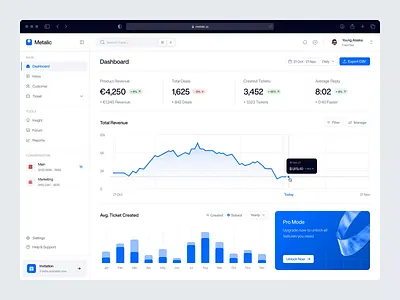
Bring related accounting activities into a structured workflow. The final module scope can be aligned with your organisation's processes and requirements.
Maintain ledger accounts, journal entries, vouchers and account-wise transaction records.
Track supplier bills, customer dues, payment entries and outstanding balances.
Organise budget heads, allocations, expenditure entries and budget-versus-actual reviews.
Record cash and bank transactions and support reconciliation workflows.
Prepare structured summaries and reports to support periodic financial review.
Define review and approval steps, maintain supporting records and improve transaction traceability.
Financial processes can vary across universities, colleges, schools and other organisations. A practical system should reflect the way your teams work rather than force every organisation into the same process.
For universities and colleges: discuss fee accounting, department or campus structures, grants, expenses, budget heads and financial reporting requirements.
For schools: discuss fee collections, receipts, expenses, vendor payments and periodic summaries.
For other organisations: discuss ledgers, payables, receivables, cash and bank records, budgets and management reports.
The applicable features, integrations and approval rules should be confirmed during requirement discovery.
A transparent delivery process helps stakeholders understand the proposed scope, responsibilities and next steps.
Review existing accounting processes, users, reports and institutional requirements.
Document modules, workflows, approval levels, data needs and integration points.
Review the proposed setup with relevant stakeholders and validate key scenarios.
Plan user orientation, rollout, issue handling and ongoing support arrangements.
Requirements such as campus or department structure, fee-related accounting, budget heads, approval processes and reports can be reviewed to define an appropriate configuration and scope.
Potential integration points can be assessed after reviewing the existing system, available APIs or data formats, security requirements and the intended data flow. Integration should be confirmed as part of the project scope.
Approval levels and review steps can be documented during requirement discovery. The exact workflow supported will depend on the agreed configuration and implementation scope.
No software should be treated as a substitute for professional accounting or tax advice. Applicable rules, reports and configuration should be validated with your finance team and qualified advisers before use.
Share your organisation type, current process and priority requirements. A discussion or demonstration can then focus on relevant workflows rather than a generic feature list.
Talk to our team about your finance and accounting requirements. We can discuss your current process, priority modules and a suitable next step.